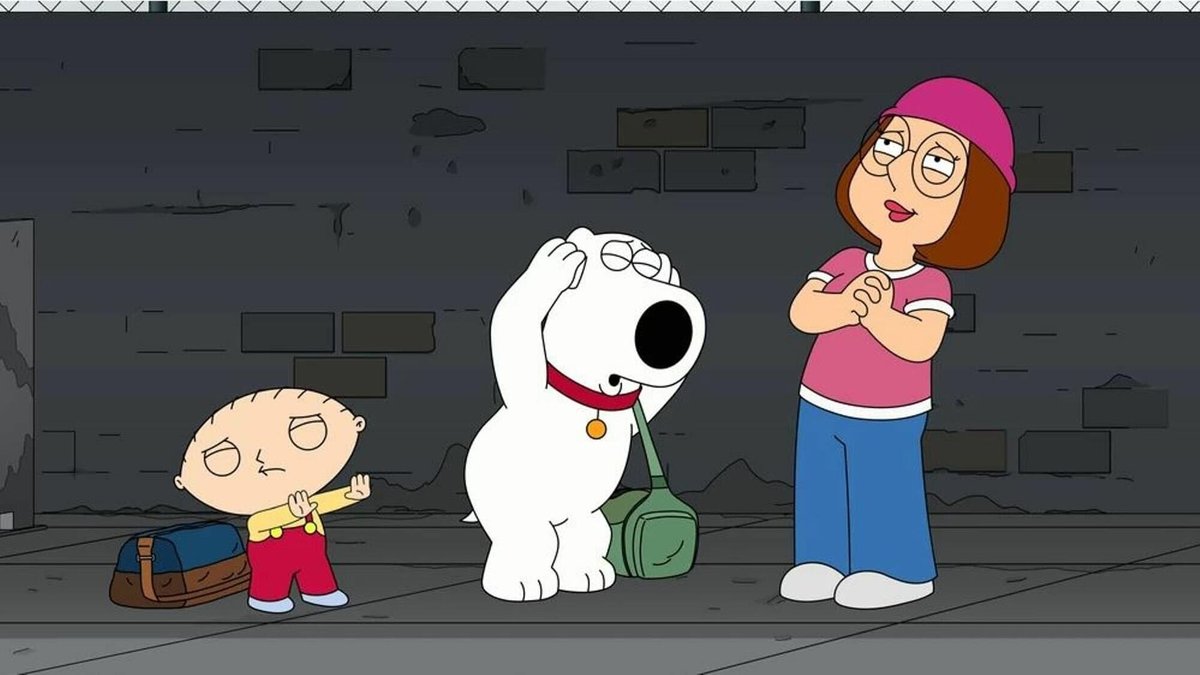
For over two decades, Family Guy has been a cornerstone of animated television, a rapid-fire cultural commentator, and a seemingly endless wellspring of irreverent humor. But as the show sails well past its 20th season, the conversation around Family Guy New Season Reviews & Fan Reactions has become increasingly complex. Is it still the boundary-pushing comedy we remember, or has it settled into a comfortable, albeit less inspired, rhythm?
If you're a long-time fan wondering if the new episodes are worth your time, or a curious newcomer pondering where the series stands today, you're not alone. The show's latest seasons often spark heated debate, with dedicated viewers expressing a wide spectrum of opinions, from nostalgic fondness to outright disappointment.
At a Glance: What You Need to Know About New Family Guy Seasons
- Mixed Reception: Critical reviews often highlight a decline in fresh humor, while long-time fans are divided, with many noting a shift in comedic style.
- Longevity vs. Quality: Like many long-running shows, Family Guy grapples with maintaining its original spark while evolving with cultural shifts.
- Character Evolution (or Stagnation): Some characters show surprising depth, while others feel repetitive, leading to different viewer experiences.
- Cutaway Gags Remain: The show's signature cutaway style is still present, though its effectiveness is a frequent point of contention.
- Where to Watch: New episodes typically air on Fox, with streaming available on platforms like Hulu in the U.S.
- Personal Taste is Key: Ultimately, whether a new season resonates often comes down to individual comedic preferences and nostalgic attachment.
The Enduring Legacy: Why Family Guy Still Matters
Family Guy isn't just a TV show; it's a cultural institution. Since its debut in 1999, Seth MacFarlane's brainchild has pushed boundaries, courted controversy, and delivered laughs with its unique blend of pop culture references, non-sequitur cutaway gags, and often dark, surreal humor. The Griffin family – Peter, Lois, Meg, Chris, Stewie, and Brian – are as recognizable as any animated clan on television, each a caricature of an archetype, yet capable of surprising moments of sincerity.
The sheer longevity of the series is a testament to its initial brilliance and enduring appeal. Even after more than two decades, a new season premiere generates buzz, prompting discussions across social media, forums, and review sites. Fans have grown up with the show, developing a deep, often complicated, relationship with its characters and evolving comedic sensibilities. This history means that every new episode isn't just a standalone piece of entertainment; it's another chapter in a much larger narrative, constantly measured against the show's own formidable past.
Deciphering the Disconnect: What Fans Are Saying
Dive into any online forum for Family Guy, and you'll quickly discover a passionate, yet deeply divided, fanbase. Discussions around recent seasons, such as Season 22, reveal a common thread: many viewers feel the show has changed, but they can't always agree on how or if for the better. The Reddit community, for instance, frequently discusses "what is your opinion on season 22 so far?", with responses ranging from "It's surprisingly good this season" to "It's unwatchable garbage." This stark contrast highlights the subjective nature of comedy, especially when applied to a show with such a long and varied history.
The Good: Glimmers of Classic Quahog
Despite the criticisms, many fans find bright spots in the newer seasons. Often, these moments echo the show's earlier, revered era. You'll hear praise for:
- Sharp Cultural Commentary: Occasionally, a new episode still lands a surprisingly insightful or biting take on current events, politics, or social trends, reminiscent of Family Guy's early ability to mock anything and everything.
- Stewie and Brian's Dynamic: The precocious infant and the talking intellectual dog remain a fan-favorite pairing. Episodes that focus on their adventures, even if a little formulaic, often provide a reliable source of humor and heart. Their bond is one of the most consistent strengths of the series, offering a more character-driven humor than Peter's antics.
- Unexpected Character Moments: Every now and then, a minor character gets a hilarious spotlight, or a main character shows a flash of their original, beloved personality. For instance, some viewers praise episodes where Meg finally gets a win, or where Chris exhibits unexpected depth.
- Visual Gags and Animation: The show's animation quality has remained high, and some of the more elaborate visual gags or action sequences are still impressively executed.
These moments, however fleeting, remind long-time viewers why they fell in love with Family Guy in the first place, offering a glimpse of the show's former glory and suggesting that the creative spark isn't entirely extinguished.
The Bad: Critics Point to Familiar Flaws
On the flip side, the list of common grievances among both critics and a significant portion of the fanbase is extensive. These aren't just nitpicks; they represent fundamental shifts that many believe have altered the show's core identity.
- Repetitive Jokes and Tropes: A frequent complaint is the recycling of jokes or reliance on predictable setups. Fans observe that certain character traits, like Peter's ignorance or Lois's occasional hypocrisy, are leaned on too heavily, leading to diminishing returns.
- Decline in Originality: The show that once felt fresh and daring is sometimes accused of playing it safe. The cutaway gags, once its most innovative feature, are now often seen as less impactful or more forced, losing their surreal punch.
- Character Inconsistencies: While character evolution can be good, many feel that the Griffins' personalities swing wildly from episode to episode, or that certain characters (like Peter) have become too one-note or overtly cruel without comedic justification. This can make it harder for viewers to connect with them on any consistent level.
- Over-reliance on "Shock Value": Some viewers argue that the show mistakes edginess for genuine humor, with jokes that aim for shock rather than cleverness, often falling flat or feeling gratuitous.
These issues collectively contribute to a feeling that the show has lost some of its comedic edge and creative drive, struggling to recapture the magic that made it a groundbreaking series.
The Ugly: The "Zombie Simpsons" Parallel
Perhaps the most stinging critique Family Guy faces is the comparison to The Simpsons' later, less celebrated years, often dubbed "Zombie Simpsons." This term refers to a long-running animated show that continues to air new episodes despite many fans feeling its quality has significantly declined, existing as a shadow of its former self.
For Family Guy, this parallel is particularly apt. Both shows share a similar trajectory: phenomenal initial success, a period of peak cultural relevance, and then a gradual, often debated, decline in critical and fan favor. The argument posits that the show keeps going not because it's consistently brilliant, but because it's an established brand, a reliable ratings getter, and a comfort blanket for long-time viewers who continue to watch out of habit or loyalty, even if they're not fully satisfied.
This isn't just about individual joke quality; it's about the show's overall spirit. Has Family Guy become too comfortable? Is it still pushing boundaries, or merely imitating its own past successes? These are the kinds of questions that fuel the "Zombie Simpsons" debate and increasingly crop up in discussions about Family Guy's newer output. The consensus is far from unified, but the sentiment that Family Guy might be past its prime is a pervasive one among a significant portion of its audience.
Behind the Laughs: Creative Choices & Evolving Humor
Creating a show for over two decades is an immense challenge, especially in comedy. The world changes, humor evolves, and what was once edgy can quickly become outdated or even offensive. Family Guy's creative team, led by Seth MacFarlane and showrunners Rich Appel and Alec Sulkin, faces the constant tightrope walk of staying true to the show's identity while attempting to adapt.
Navigating the Modern Comedy Landscape
The comedic landscape of 2024 is vastly different from 1999. Sensitivity around certain topics has increased, and what constitutes "acceptable" humor has shifted. Family Guy, known for its often provocative and boundary-pushing jokes, must navigate these changes.
- Self-Correction and Retooling: The show has, at times, made efforts to address past criticisms or evolve its humor. This might involve toning down certain types of jokes or attempting more nuanced social commentary. However, this often alienates long-time fans who miss the "no holds barred" approach, while still not satisfying new audiences looking for more progressive humor.
- The Cutaway's Enduring Role: The cutaway gag, Family Guy's signature, continues to be a central part of its comedic DNA. In newer seasons, their placement and impact are under constant scrutiny. Are they still sharp and surprising, or have they become a predictable crutch, interrupting the narrative flow without adding much value? Their effectiveness often dictates the overall rhythm and reception of an episode.
- Pacing and Structure: The show's fast-paced, often fragmented storytelling style has also come under the microscope. While some appreciate the sheer volume of jokes, others argue that it can hinder character development or emotional resonance, making it harder to invest in the Griffins' predicaments.
Balancing its irreverent roots with contemporary comedic expectations is a perpetual challenge, and how the show tackles this often dictates the success of a new season.
Character Arcs: Growth, Stagnation, or Regression?
The heart of any long-running show lies in its characters. For Family Guy, the Griffin family has always been a chaotic ensemble. Yet, for many viewers, the consistency and evolution (or lack thereof) of these characters significantly impact their enjoyment of new seasons.
- Peter Griffin: The lovable oaf has arguably undergone the most controversial transformation. Early Peter was dim-witted but often well-meaning. Newer Peter is sometimes portrayed as excessively cruel, selfish, or outright idiotic, which some fans find less endearing and harder to laugh with.
- Lois Griffin: Lois often swings between being the long-suffering matriarch and an equally unhinged member of the family. Her character sometimes serves as a moral anchor, but equally often descends into her own absurdities, which can feel inconsistent.
- Stewie Griffin: The evil genius baby has perhaps the most consistent and well-received arc, evolving from a purely megalomaniacal infant to a more complex character with softer moments, especially in his relationship with Brian. His adventures continue to be a highlight for many.
- Brian Griffin: The intellectual, liberal talking dog, Brian, is another character whose portrayal sparks debate. His self-importance and pretentiousness are amplified in newer seasons, leading some to find him insufferable, while others appreciate his flaws.
- Meg Griffin: Meg's perpetual status as the family's punching bag is a running gag, but some viewers feel it has become stale or genuinely uncomfortable to watch. However, episodes that allow Meg to break free from this mold or find moments of empowerment are often well-received.
- Chris Griffin: The awkward, clueless teenage son remains largely consistent, providing visual gags and simple humor. His relationship with his evil monkey in the closet is a rare, enduring positive note.
The way these characters are written and developed (or not developed) directly influences how long-time fans engage with new storylines. When characters feel like caricatures of their former selves, it can be tough to maintain that emotional connection that fuels continued viewership.
The Critical Lens: Rotten Tomatoes & Beyond
While fan reactions are crucial, professional critics also weigh in, often providing a different perspective informed by comedic theory and industry standards. Review aggregators like Rotten Tomatoes offer a snapshot of critical consensus, though for a show of Family Guy's age, comprehensive season-by-season critical scores become less common.
As of recent checks, a general summary of Family Guy's later seasons on platforms like Rotten Tomatoes tends to focus less on individual episode reviews and more on the overarching premise: "This animated series features the adventures of the Griffin family... Endearingly ignorant Peter and his stay-at-home wife, Lois, reside in Quahog, R.I., and have three kids. Meg, the eldest child, is a social outcast, and teenage Chris is awkward and clueless when it comes to the opposite sex. The youngest, Stewie, is a genius baby who is bent on killing his mother and destroying the world. Brian, the talking dog, keeps Stewie in check while sipping martinis and sorting through his own issues." This description, while accurate to the show's premise, doesn't delve into the nuanced critical reception of its more recent output, suggesting that the discourse has shifted from critical evaluation to more of a long-running cultural acknowledgment.
However, individual critics often echo fan sentiments:
- Comedy Fatigue: Many reviews lament that the jokes simply don't land with the same frequency or impact as they once did. The show's signature rapid-fire pace can feel exhausting when the hit rate is low.
- Social Commentary Becoming Less Nuanced: While Family Guy has always been blunt, critics sometimes point out that its modern social commentary lacks the cleverness or satirical edge it once possessed, often coming across as preachy or heavy-handed.
- Lack of Stakes: With so many seasons under its belt, critics sometimes note a lack of genuine stakes in new episodes. Character deaths are often undone, and major events rarely have lasting consequences, leading to a feeling of narrative inertia.
Ultimately, while the show's premise is consistently acknowledged, the critical community appears to be less engaged in detailed season-by-season breakdowns, signaling a move towards Family Guy being more of an enduring background presence rather than a critically lauded fresh production.
Is It Still Worth Watching? A Viewer's Guide
Deciding whether to dive into Family Guy's latest seasons is a personal choice, deeply influenced by your history with the show and your evolving taste in comedy. There's no single right answer, but you can approach it strategically.
Who Will Love It? (Newcomers vs. Die-Hards)
- If you're a newcomer: You might find the show confusing due to its long history and lack of consistent character development. However, Family Guy's episodic nature means you can often jump in without too much prior knowledge, especially if you appreciate surreal, fast-paced humor and pop culture references. Start with a "best of" list from earlier seasons to get a feel for its peak, then try a recent season to see if the current style resonates.
- If you're a casual viewer: Someone who enjoys the occasional episode might find enough laughs to keep watching. You're less invested in character arcs or continuity, making the show more digestible.
- If you're a die-hard loyalist: You'll likely continue watching out of habit, loyalty, or hope for a return to form. You might find more enjoyment in spotting references, appreciating the occasional brilliant gag, or simply spending time with familiar characters. Be prepared for some episodes that don't quite hit the mark, but cherish the ones that do.
- If you're a lapsed fan: Someone who loved the early seasons but drifted away might find the new seasons a mixed bag. It might evoke nostalgia, but also highlight how much the show has changed, potentially leading to disappointment.
Setting Realistic Expectations for a Long-Running Show
This is perhaps the most crucial advice for anyone approaching new Family Guy episodes. No show can maintain its peak quality for over two decades. Creative teams change, ideas get recycled, and cultural relevance shifts.
- Embrace the Evolution (or accept the stasis): Recognize that the show you loved 15 years ago might not be the show you're watching today. The humor might be different, the characters might have evolved (or devolved), and the pacing might feel altered.
- Focus on the Hits: Not every episode will be a classic. Go into each one with an open mind, and celebrate the gags or storylines that genuinely make you laugh, rather than dwelling on the ones that fall flat.
- It's a Marathon, Not a Sprint: Family Guy is now part of the landscape. It's an enduring presence, not necessarily a groundbreaking weekly event. View it as comfort food, something familiar to unwind with, rather than seeking profound comedic revelations.
Identifying Your Own "Classic" Family Guy Vibe
To truly enjoy the new seasons, it helps to understand what you loved about Family Guy in the first place.
- Was it the cutaway gags? Are they still hitting for you?
- Was it Stewie and Brian's adventures? Are their stories still engaging?
- Did you love Peter's outrageous schemes? How do you feel about his current iteration?
- Were you drawn to the show's irreverent social commentary? Is it still sharp, or does it feel preachy?
By pinpointing what resonates with you, you can better gauge whether the new content aligns with your personal taste. If you're curious about more general information, including specific broadcast schedules and what's anticipated in upcoming episodes, checking out the latest Family Guy new season details can provide valuable insights. This will help you decide if it's the right time to tune in.
Your Turn: Engaging with the New Episodes
The conversation around Family Guy New Season Reviews & Fan Reactions is ongoing, fluid, and deeply personal. There's no definitive "right" or "wrong" opinion, only individual experiences with a show that has become a cultural staple.
So, what's next for you? If you've been on the fence, perhaps it's time to watch a few recent episodes with an open mind. Don't go in expecting the Family Guy of 2005; instead, meet it where it is today. Engage with online discussions, but form your own conclusions. You might discover a renewed appreciation for its enduring charm, or confirm that its best days are indeed behind it. Either way, the discussion continues, proving that even after all these years, the Griffins still have the power to make us laugh, cringe, and most importantly, talk.